The 10 Most Terrifying Things About Precision Milling Machines
페이지 정보

본문
The Evolution and Impact of Precision Milling Machines
Intro
Precision milling machines have ended up being an important part of modern production procedures. As innovation continues to advance, these machines are developing, enabling a vast array of industries-- from aerospace to medical device production-- to produce intricate parts with high accuracy and efficiency. This blog post explores the different aspects of precision milling machines, analyzing their types, functional principles, applications, and the future of precision milling innovation.
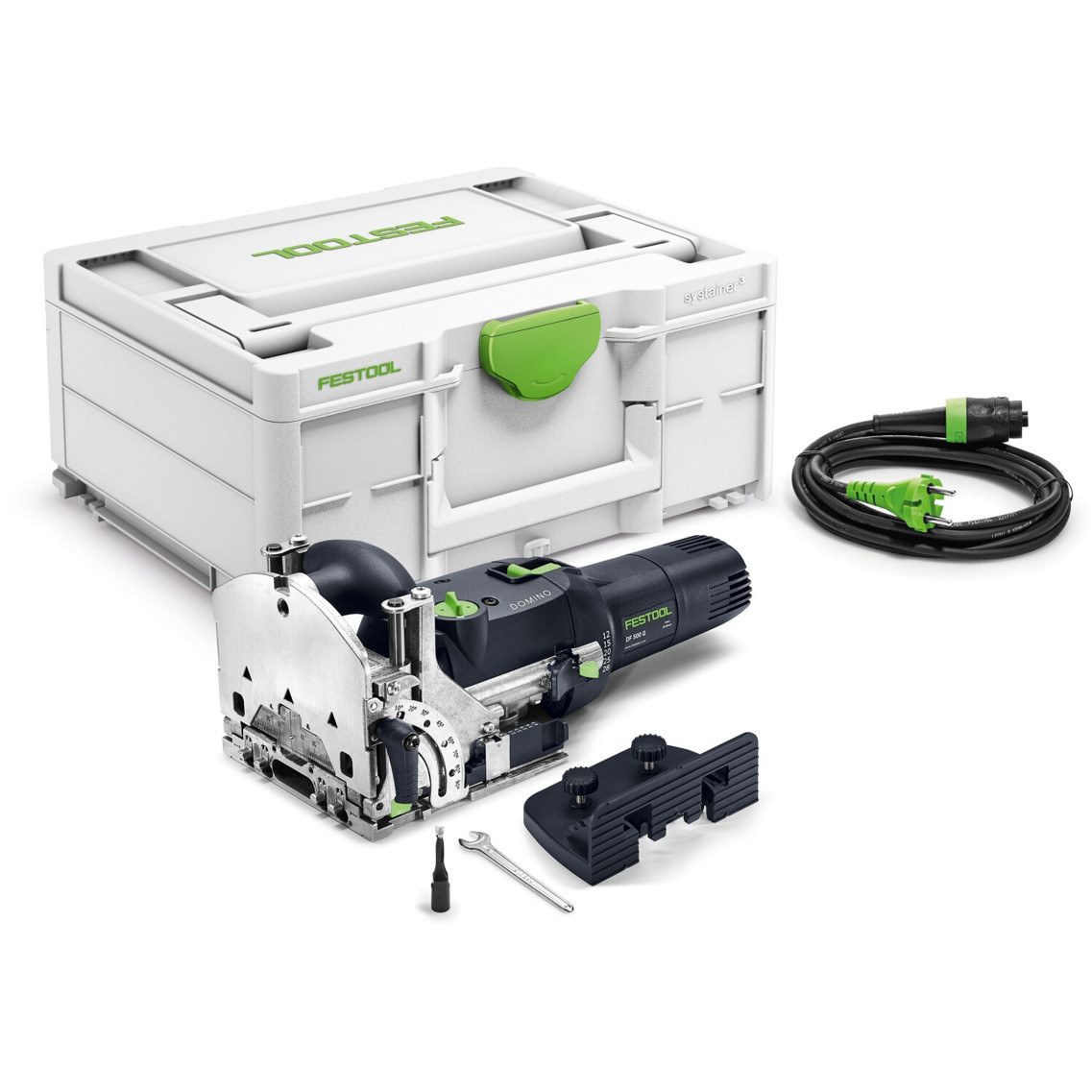
What are Precision Milling Machines?
Precision milling machines are cutting tools that utilize rotary motion to get rid of material from solid workpieces. By using various types of cutting tools, these machines can develop complex shapes, functions, and surface areas. The precision element comes from the tight tolerances these machines can accomplish, generally within a few microns.
Key Features of Precision Milling Machines
- High Accuracy: Achieves tight tolerances important for different applications.
- Flexibility: Capable of working with a series of products including metals, plastics, and composites.
- Complex Geometry: Ability to develop in-depth styles typically not possible with other machining approaches.
- CNC Integration: Many modern-day milling machines are computer system numerically managed (CNC), supplying automation and repeatability.
Kinds Of Precision Milling Machines
Table 1 below sums up the numerous types of precision milling machines and their specific features.
| Type | Description | Common Applications |
|---|---|---|
| Vertical Milling Machines | Functions a vertical spindle and tools installed above the workpiece. | Prototype advancement, tool and die making |
| Horizontal Milling Machines | Uses a horizontal spindle and is best for heavy machining operations. | Production runs with larger amounts |
| CNC Milling Machines | Fully automated machines managed by computer programs for precision. | Aerospace, automobile elements |
| Bed Milling Machines | Have a fixed bed with the milling head going up and down. | Heavy-duty operations, industrial applications |
| Universal Milling Machines | Permit differed motions of the table for complex cuts. | Custom parts, intricate parts |
Applications of Precision Milling Machines
Precision milling machines have a broad spectrum of applications throughout different sectors. Below are some of the noteworthy applications:
- Aerospace: Precision parts are required for airplane engines, fuselage parts, and structural elements.
- Automotive: Manufacturing of engine blocks, gear systems, and elaborate detailing in modern-day lorries.
- Medical Devices: Components such as surgical instruments and implants demand high precision and biocompatible products.
- Electronic devices: Producing circuit boards and important real estate for compact electronic devices.
- Tool and Die Making: Creating molds and passes away for numerous making procedures.
Benefits of Precision Milling Machines
The incorporation of precision milling machines into making processes comes with a number of benefits:
- Increased Efficiency: High-speed operations make it possible for quicker production rates.
- Lowered Waste: Precision cuts create less product waste compared to standard machining techniques.
- Enhanced Quality: High precision and repeatability result in much better item quality.
- Flexibility: Capable of adjusting to various styles and materials with minimal setup time.
Difficulties and Considerations
While precision milling machines provide numerous advantages, there are likewise challenges connected with their use:
- Initial Investment: High cost of machines and maintenance can be a barrier for small manufacturers.
- Ability Requirement: Requires knowledgeable operators who understand both the machine and the products being worked with.
- Maintenance: Regular, extensive upkeep is needed to promote precision levels and machine durability.
Future Trends in Precision Milling Technology
As markets significantly lean towards automation, several trends are likely to form the future of precision milling machines:
Table 2: Future Trends in Precision Milling Machines
| Trend | Description |
|---|---|
| Increased Automation | Adoption of AI and ML core technologies for real-time analysis and modifications. |
| Advanced Materials | Ability to work with high-performance products including composites and alloys. |
| Additive Manufacturing | Hybrid machines that can complement milling with additive procedures. |
| IoT Integration | Smart machines linked to the Internet for predictive maintenance and information analytics. |
| Sustainability | Environmentally friendly manufacturing practices with lowered energy usage. |
Frequently Asked Questions about Precision Milling Machines
What products can be processed with precision milling machines?
- Precision milling machines can process a variety of products consisting of metals (steel, aluminum), plastics, and composites.
What industries gain from precision milling innovation?
- Industries such as aerospace, automotive, medical gadgets, and electronic devices benefit substantially from precision milling technology.
How do CNC milling machines vary from manual machines?
- CNC milling machines are computer-controlled for automated and accurate operation, while manual machines need human intervention and are generally less accurate.
What are the functional costs related to precision milling machines?
- Functional costs include electrical power, maintenance, tooling, and labor, and they can vary extensively based on usage strength and product types.
Exist particular security protocols for running precision milling machines?
- Yes, operators must follow safety standards such as using protective equipment, making sure proper machine setup, and adhering to lockout/tagout procedures.
Precision milling machines are at the leading edge of contemporary production, making it possible to attain intricate geometries and tight tolerances with unmatched efficiency. As industries develop, and innovation continues to advance, the abilities of these machines will just expand. Understanding their types, applications, advantages, and obstacles is crucial for businesses to take advantage of their possible and stay competitive in a quickly altering market. The future of precision milling is bright, with developments on the horizon shaping the way products are made and industries function.
- 이전글Watch This: How Grinding Machines E-Commerce Is Gaining Ground, And What You Can Do About It 26.03.06
- 다음글You'll Be Unable To Guess Affordable Back Door Installation's Tricks 26.03.06
댓글목록
등록된 댓글이 없습니다.
